

Brandcrew Pilot Training presents
From Class 12to the Cockpit.
Brandcrew guides you through every DGCA requirement, every flying hour, and every rupee — so you start training with clarity, not confusion. No hidden costs. No vague promises. Just a clear roadmap from 10+2 to CPL.
Where Indian CPL holders fly
India is short of pilots — and hiring.
Aircraft on order
IndiGo, Air India, Akasa and others have placed record aircraft orders — every jet needs crews.
Pilot jobs by 2030
India is projected to need over ten thousand new pilots this decade to fly the expanding fleet.
Senior captain / month
Senior captains in India can earn well over ₹10 lakh a month, rising with seniority and hours.
A career that never
stops being extraordinary.
Six reasons ambitious students choose the flight deck — and keep choosing it, decades in.
Passion
Few careers let you do something this extraordinary every single working day.
Prestige
A commercial licence is a globally respected, hard-earned professional credential.
International careers
A CPL opens doors with carriers across India, the Gulf, and beyond.
Travel opportunities
Wake up in a new city, fly home the next — the world becomes your route map.
Dynamic work
No two days, no two skies, no two flights are ever the same.
Airline demand
India is short of pilots as fleets expand — timing has rarely been better.
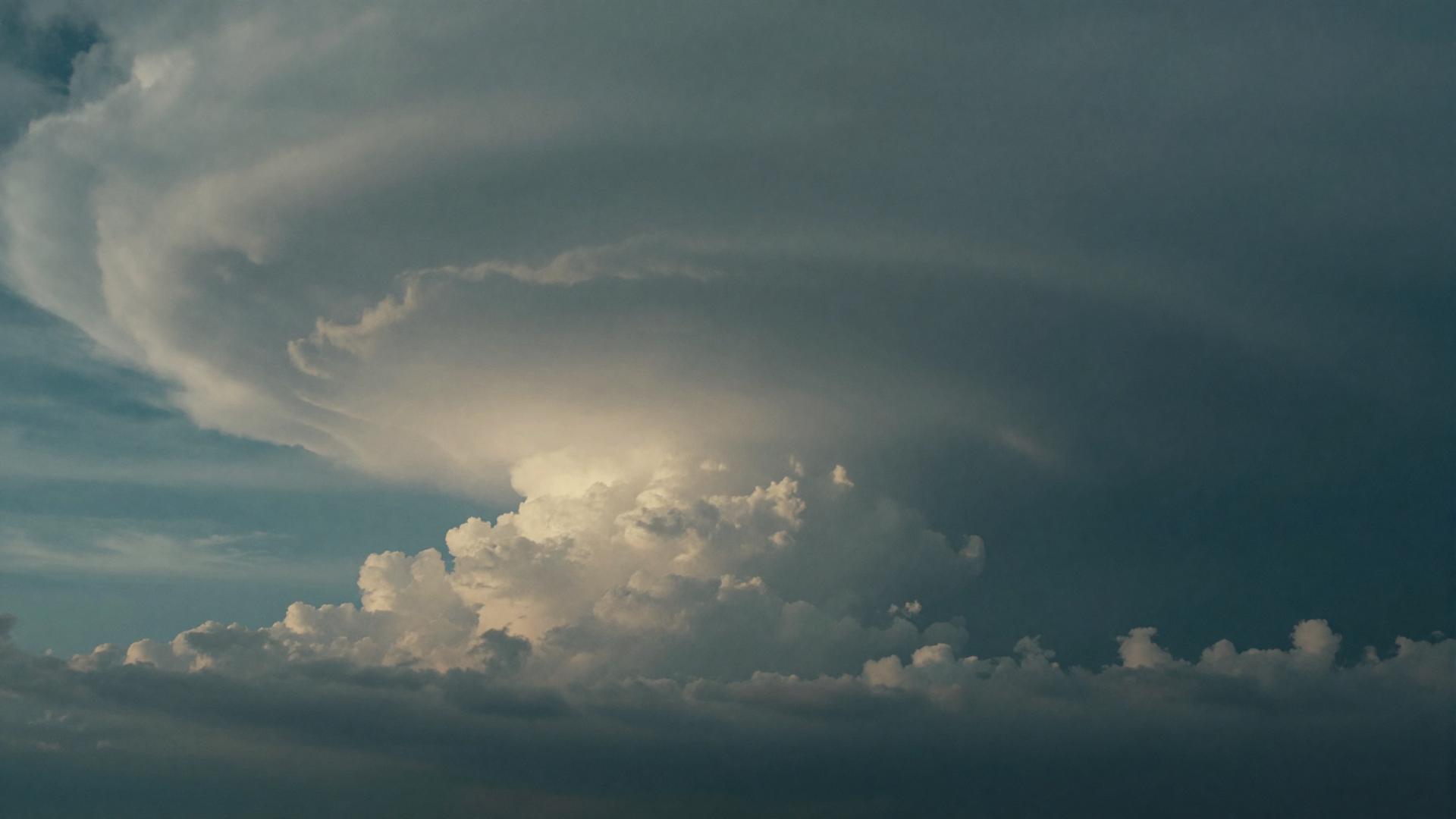
FL240 · Weather ahead
First lesson:
respect the weather.
Every honest academy teaches you what can go wrong before it teaches you what goes right.
The reality nobody
talks about.
Most academies promise “a pilot in 18 months.” We tell you what actually happens at every stage — because informed students make better decisions.
- Cost — the real number, not the brochure number.
- DGCA exams — sequencing that actually works.
- Flight school — how to pick an FTO that finishes you.
- Medical — clearing Class 1 before you commit lakhs.
- The right pathway — India or abroad, cadet or conventional.
- 1
Delaying DGCA exams
Theory left for later stalls your flying and drags out the whole timeline.
- 2
Ignoring medicals
Skipping an early Class 1 risks lakhs spent on training you can’t finish.
- 3
Joining the wrong flight school
A poorly chosen FTO means weather delays, idle aircraft and a licence that never comes.
- 4
Not understanding the real cost
Hidden extras turn a “₹40L” promise into a ₹70L surprise mid-training.
- 5
Choosing the cheapest option
The lowest quote is usually the most expensive route once delays pile up.
Educational eligibility
Minimum 10+2 with Physics and Mathematics from a recognised board. No PCM? You can still qualify by clearing Physics & Maths through NIOS — we guide you through it.
- Eligibility
- Medical
- Registration
- Ground school
- Radio licence
- Medical
- Timing
- Flight school
- 200 hours
- ELP
- Licence
- The cockpit
This is what all the work is for.
Every DGCA exam and every logged hour leads to the moment the clouds open.
Every hour has to be logged. Here’s the breakdown.
Minimum flight time
DGCA’s minimum logged at an approved FTO. The components below overlap as you build toward the 200-hour licence requirement.
The view you’re working for.
Every stage of this site follows one flight — these are the frames between the checklists.
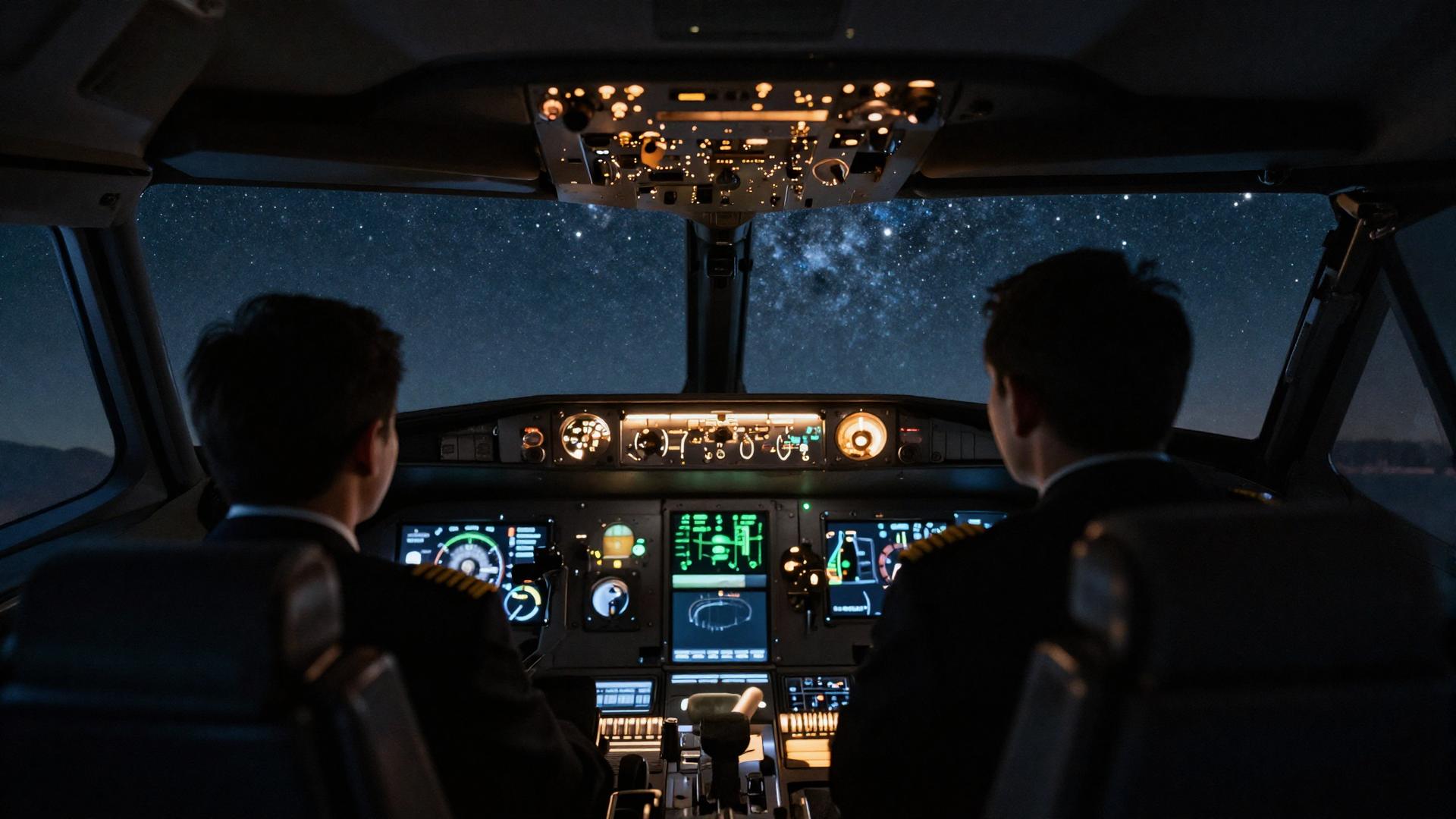 Night sector · flight deck
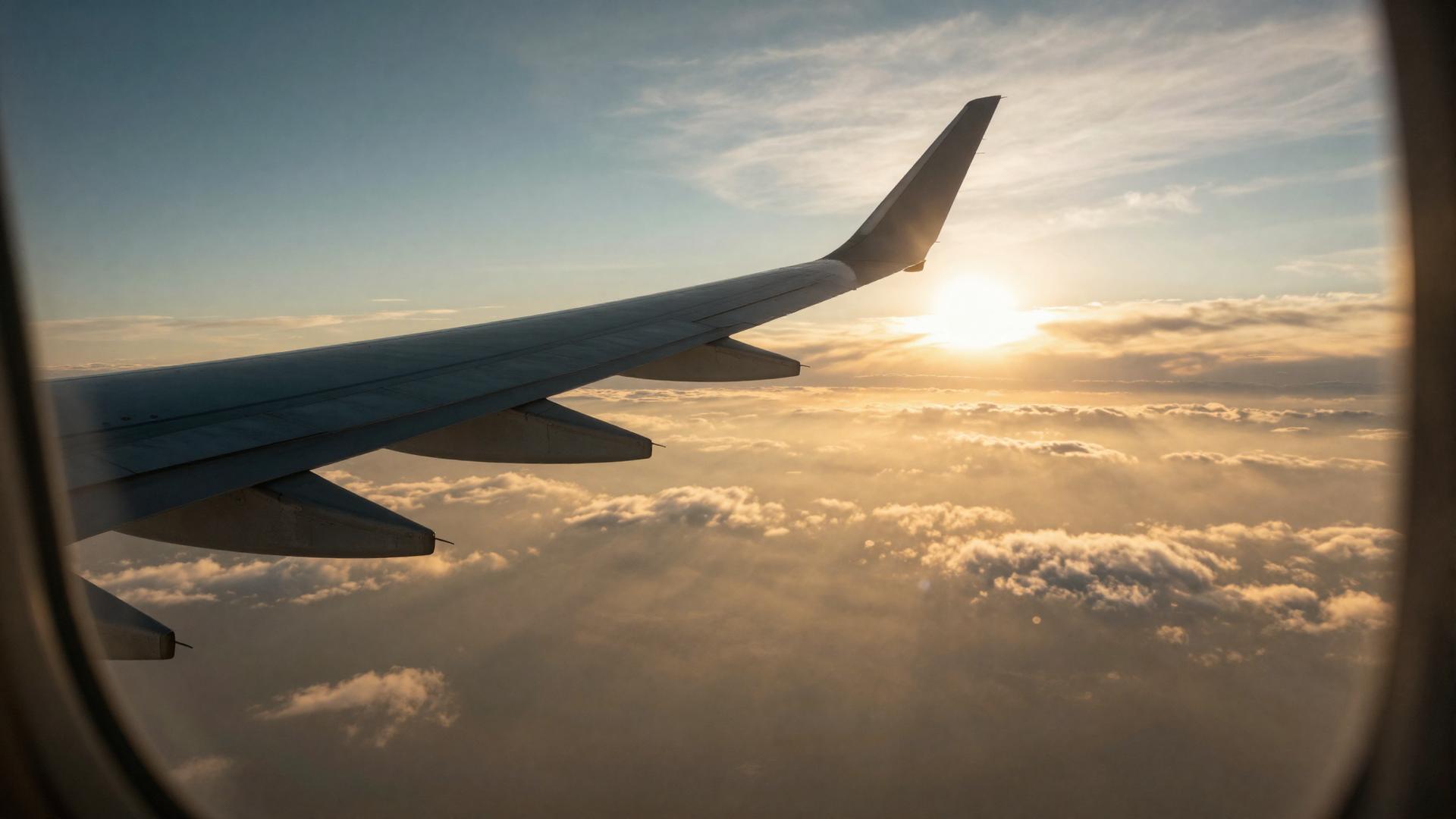 Sunrise at FL360
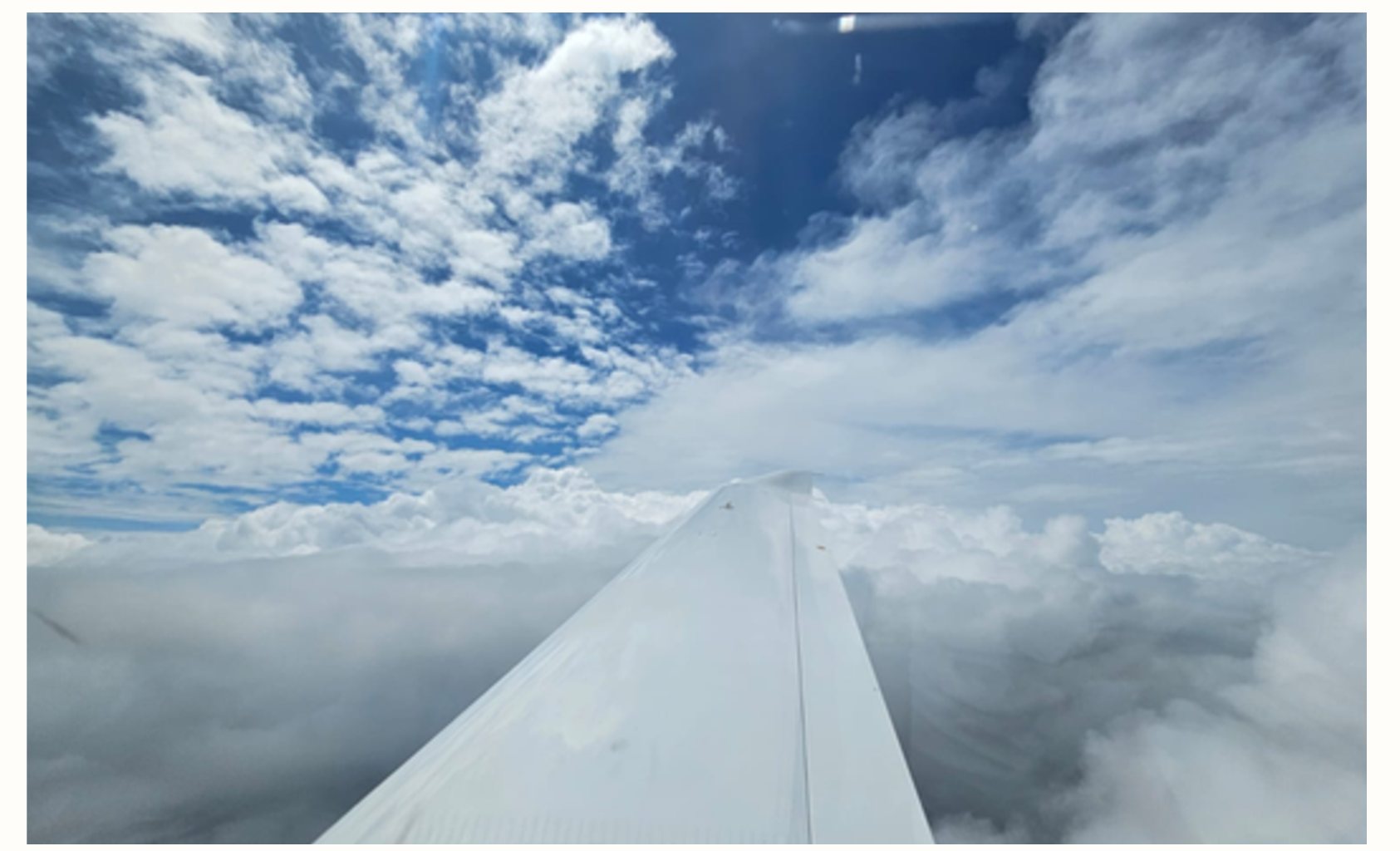 Climbing through the deck
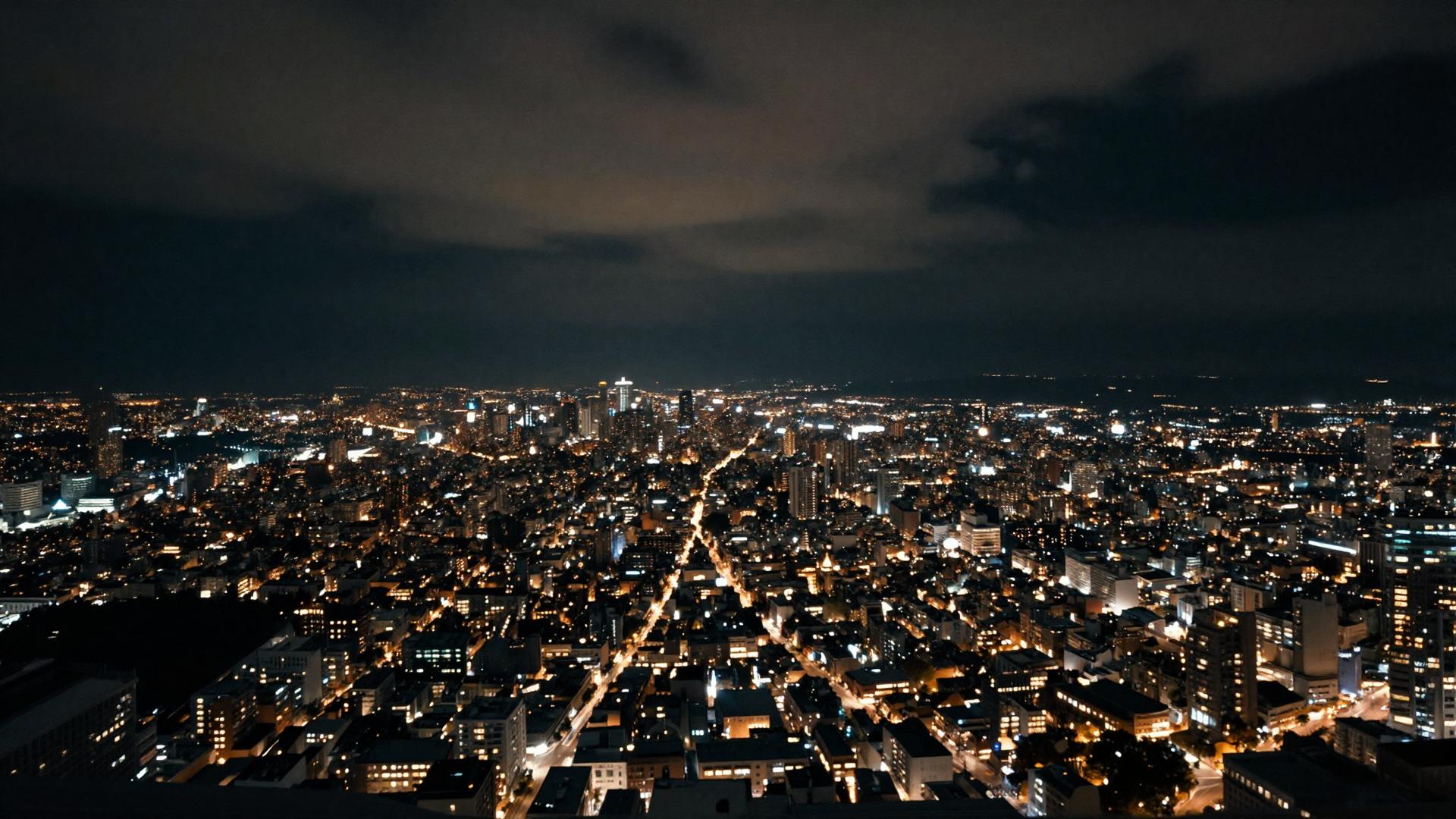 Descent over the city grid
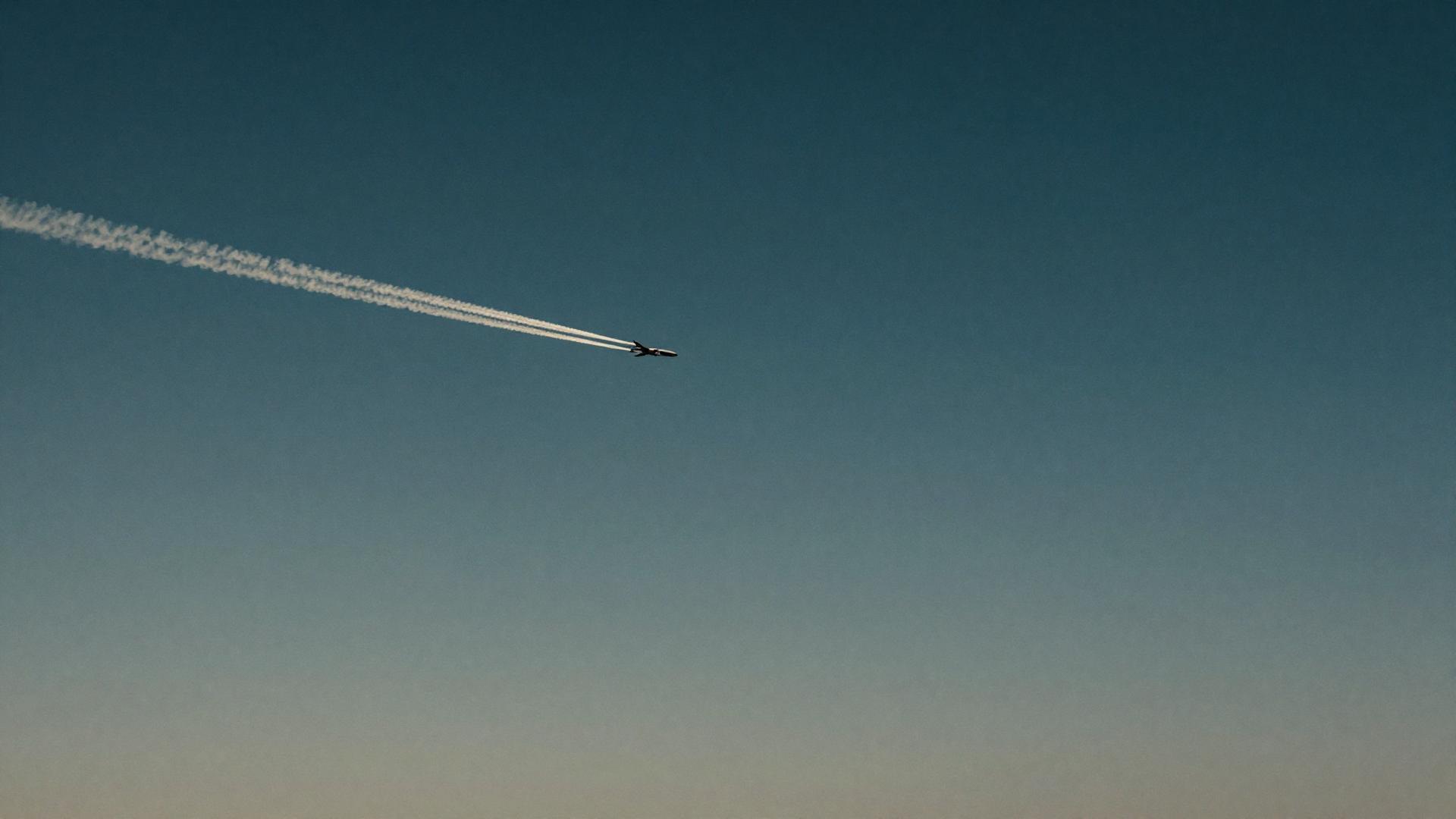 Traffic, two o’clock high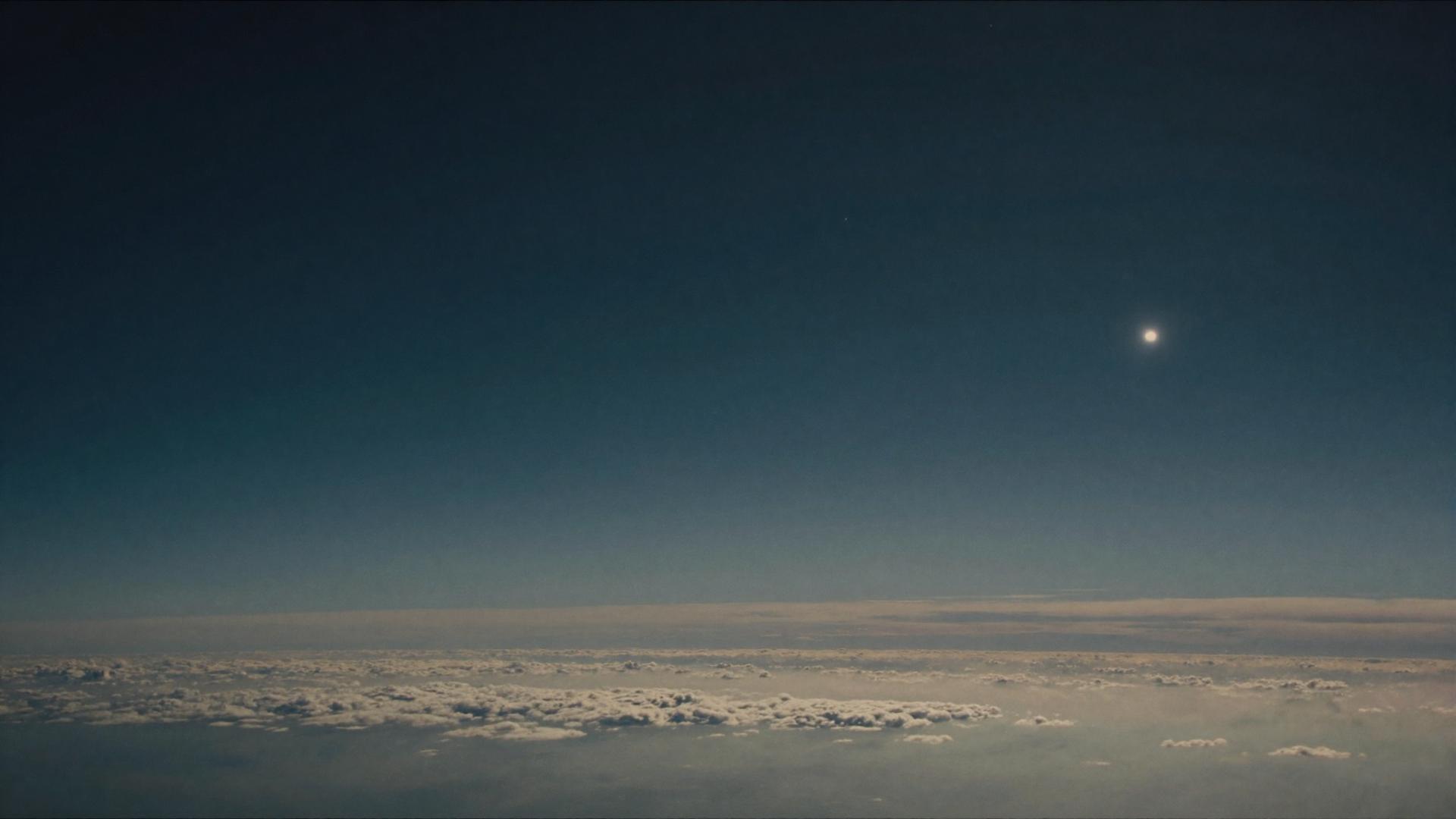
FL410 · Cruise
Sixty to ninety lakhs.
Mapped to the rupee.
The quiet part of the flight is where the planning shows.
What pilot training actually costs.
CPL training in India is a major decision for any family. You deserve a clear breakdown before you enrol — not after. Plan for roughly ₹60 lakh–₹90 lakh, end to end.
- ₹5k – ₹10k
Class 2 Medical
First fitness check
- ₹3L – ₹4L
Ground classes
DGCA theory coaching + material
- ₹15k – ₹25k
DGCA exams + RTR(A)
Exam & licence fees
- ₹10k – ₹20k
Class 1 Medical
Detailed medical assessment
- India ₹50L – ₹60L · Abroad ₹55L – ₹70L
FTO — 200 flying hours
Aircraft, instructor, fuel
- ₹15L – ₹20L
Type Rating
Aircraft-specific (A320 / B737)
Total estimated investment
₹60 lakh – ₹90 lakh
Estimated total investment
₹68.3L – ₹84.5L
Indicative EMI
₹98,160 /mo
- Amount financed
- ₹57.3L
- Total interest
- ₹25.1L
- Repaid over
- 84 months
Industry-typical ranges for guidance. Your exact, itemised figure is shared transparently at your free consultation.
Get my exact breakdownHow we cut the wasted time and money
Choose the right training path
India vs abroad, cadet vs conventional — matched to your budget and goals, before you spend a rupee.
Structured mentorship
A sequenced plan so exams, medicals and hours stack in the right order — no wasted attempts.
Clear DGCA exams early
Bank your theory passes (valid 5 years) before flight training, so hours are never on hold for a paper.
Correct medical guidance
Class 1 cleared early means you never pour lakhs into training you might not be cleared to finish.
Choose the route that fits you.
There’s no single “best” path — only the one that matches your budget, timeline and appetite for risk. Here’s the honest comparison.
DGCA direct
Train in India
- Lower overall cost
- Licensed directly under DGCA
- Familiar airspace & weather
- Family proximity
- Easier coordination
- Indian industry connections
FAA / EASA
Train abroad
- Better flying weather
- Higher flying hours, faster
- International exposure
- Advanced infrastructure
- Dual FAA / EASA licensing
- Global recognition
One team, from your first demo to your first officer stripes.
We don’t just coach exams. We sequence the whole journey so nothing stalls, nothing surprises you, and nobody’s left to figure out the confusing parts alone.
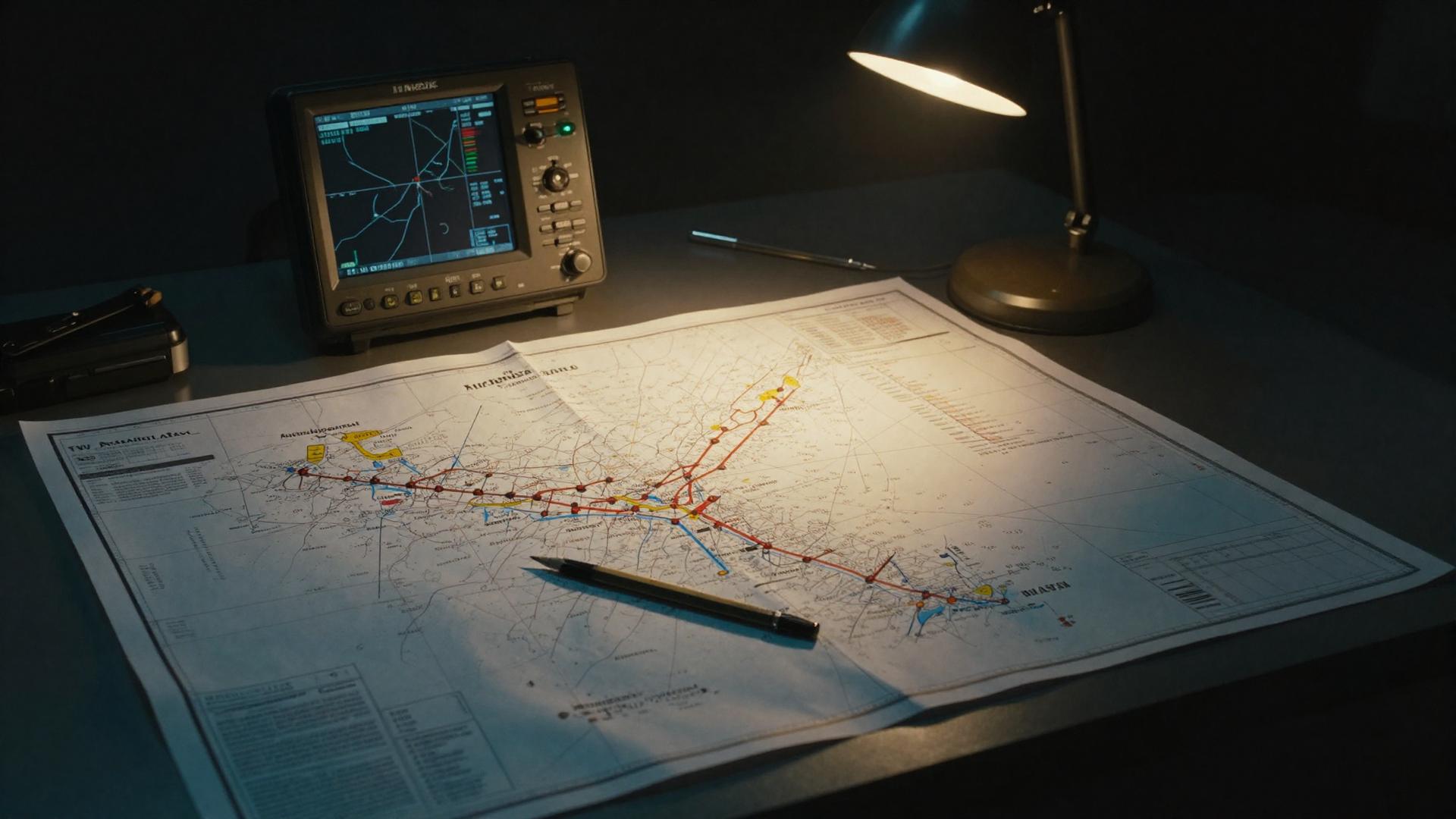
DGCA subjects
Structured coaching for every DGCA theory paper, taught to the 70% pass bar.
Airline-oriented guidance
Trained the way airlines expect you to think — not just to clear an exam.
Career mentoring
FTO selection, medical sequencing, documentation and interview prep, end to end.
End-to-end support
One team from your first demo to your first airline application — nobody left to figure it out alone.
Not sure if you qualify? Find out now.
Four quick questions and you’ll know exactly where you stand — including the route if your 12th wasn’t Physics + Maths. No pressure, no email wall.
Where are you with Class 12?
A recognised 10+2 is the foundation for a Commercial Pilot Licence.
For students & for parents.
The things families actually ask us — answered plainly, with real numbers.
For students
What’s the minimum qualification to become a pilot in India?
10+2 with Physics and Mathematics. If you didn’t study PCM, you can still qualify by clearing these subjects through NIOS (National Institute of Open Schooling).
How old do I need to be to start?
You can begin CPL ground training at 17. You must be 18 to hold the licence itself. There is no upper age limit to start training.
How many flying hours do I need?
DGCA requires a minimum of 200 hours logged at an approved FTO, including solo, cross-country, instrument and multi-engine components.
Can I become a pilot if I wear glasses?
In most cases yes — provided your vision corrects to the required standard. This is assessed during your DGCA medical.
How many DGCA exams are there, and how often?
Air Navigation, Air Regulations, Meteorology and Technical papers, plus RTR(A). Exams run four times a year with unlimited re-attempts; a pass stays valid for 5 years.
For parents
What’s the total realistic cost of CPL training?
Plan for roughly ₹60–90 lakh end to end — ground school, exams, medicals, 200 flying hours and a type rating. We share an exact, itemised figure at your free consultation, with no hidden charges.
What if my child fails the medical after we’ve paid fees?
This is exactly why we insist on clearing the Class 1 Medical early — before committing major training fees. We sequence the journey so medical fitness is confirmed first.
How long does the whole process realistically take?
Typically 1.5–2 years, depending on exam attempts, medical scheduling and FTO availability. You get a personalised timeline at your demo session.
Is there placement support after the licence?
Yes — we guide type-rating choices and airline applications, and prepare students for each airline’s multi-stage recruitment.
What if training must pause for exams or health?
Your DGCA theory passes stay valid for five years, so a planned pause won’t reset your progress. We help you re-sequence around it.
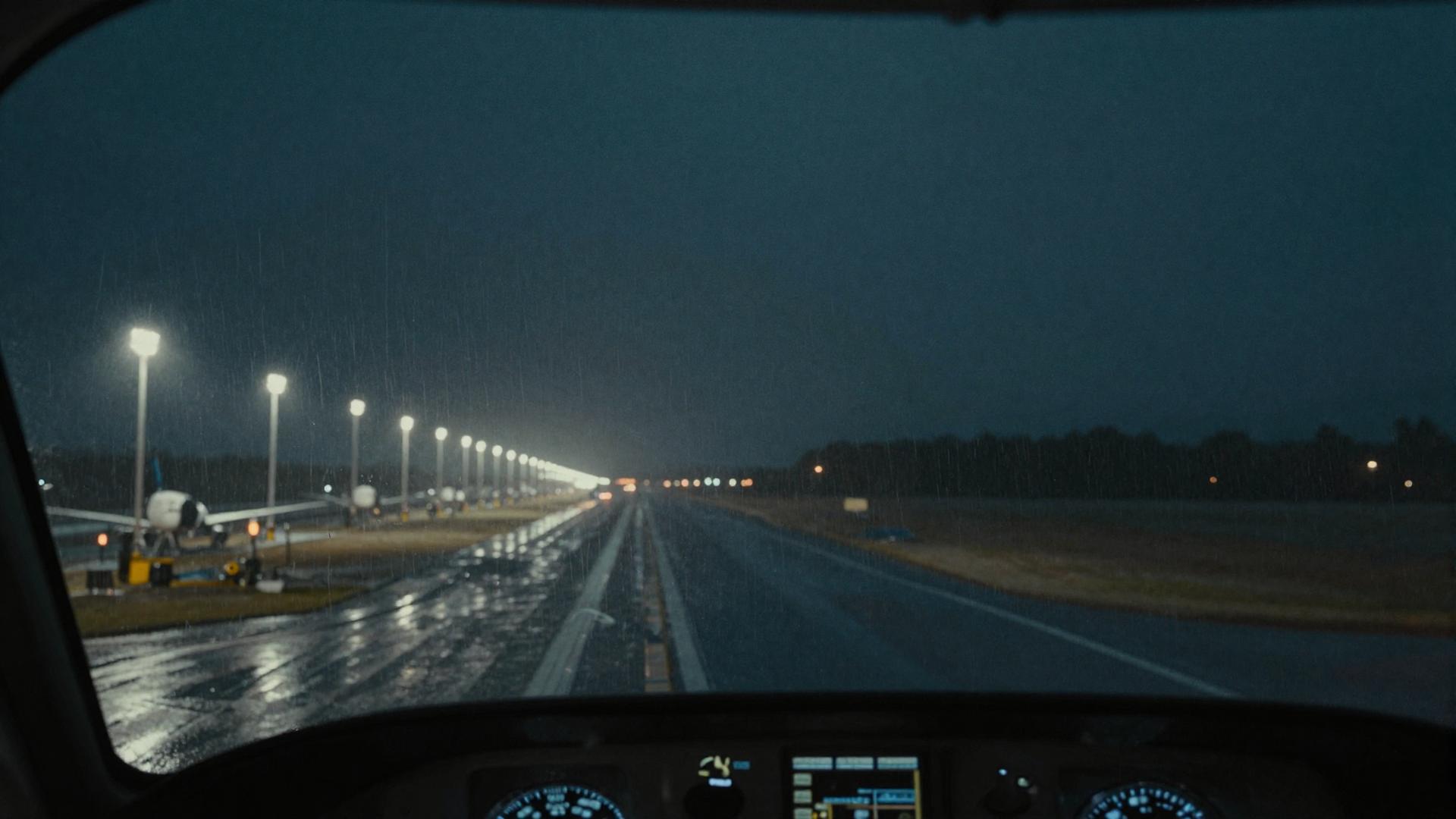
Phase 10 · Short final · cleared to land
Your runway is clear.
Book a free demo and we’ll map your personal pathway — eligibility, a realistic timeline, and a transparent cost breakdown. No obligation.